Instructor
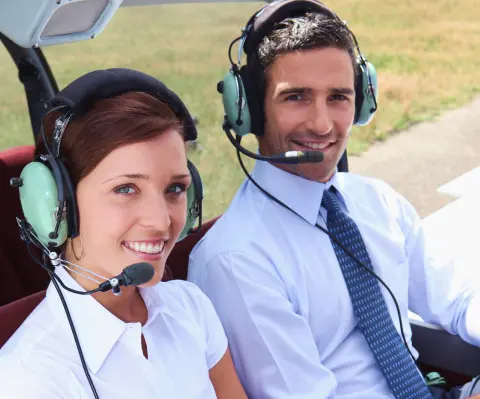
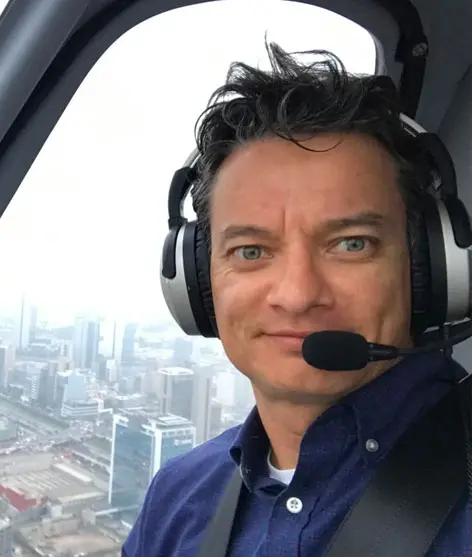
Our helicopter flight instructor has more than 8,000 flight hours and 30 years of experience, with licences in the United States, Brazil and Chile.
Helicopter flight school · Santiago, Chile
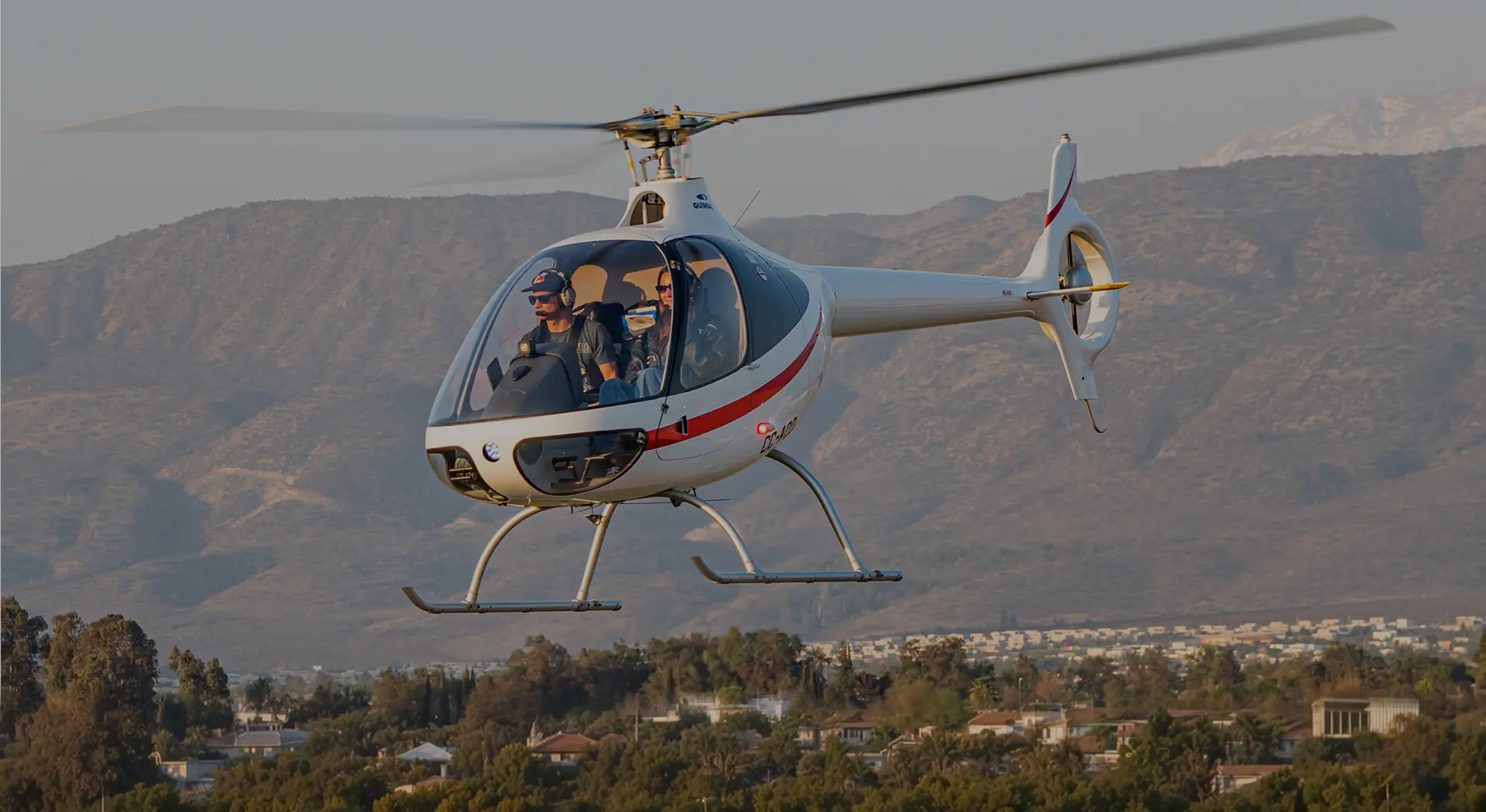
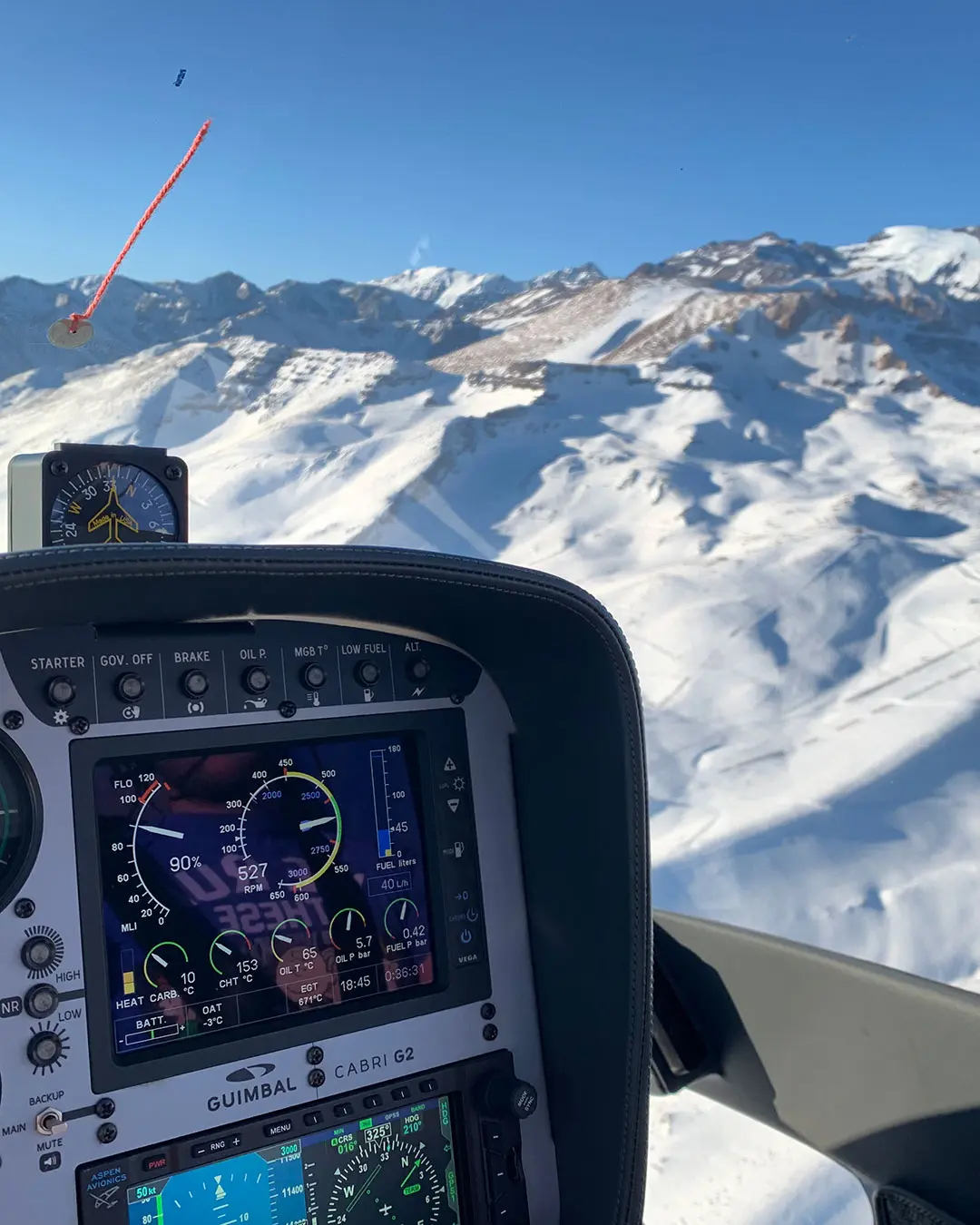
Helicopter pilot training at Eagle Copters (Aeródromo de Chicureo), in a latest-generation Cabri G2, with an instructor who has more than 8,000 flight hours.
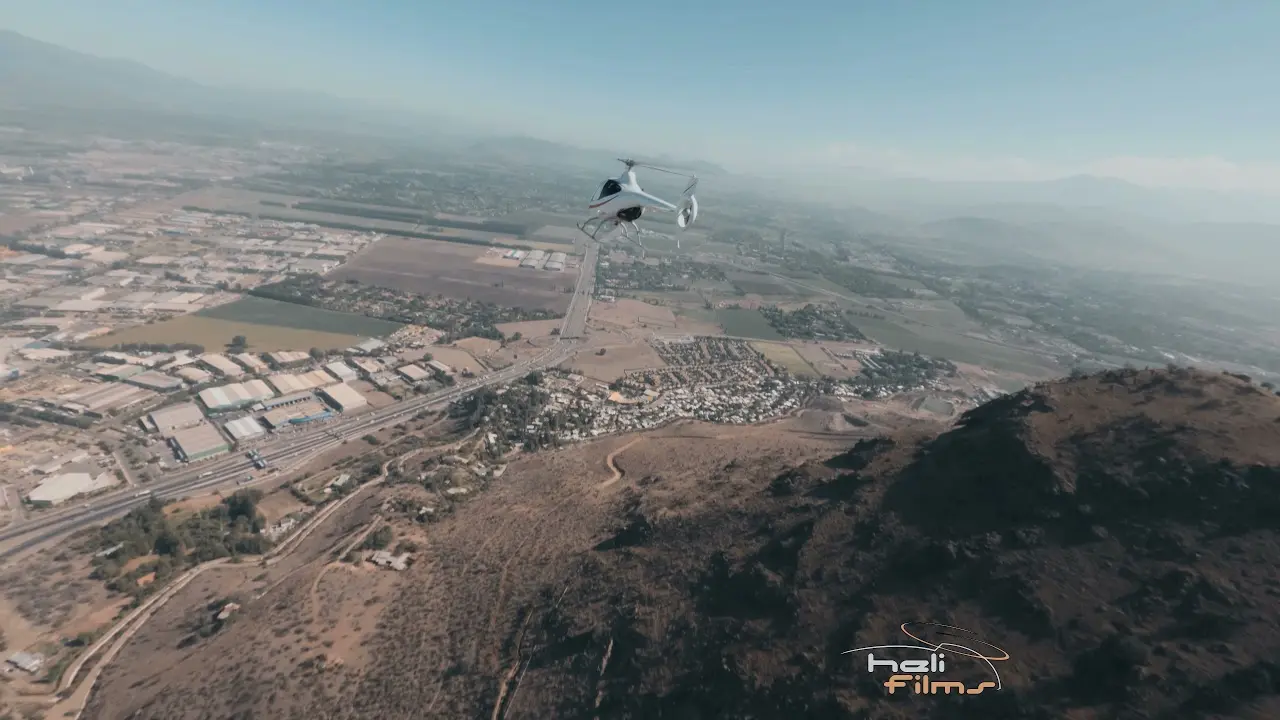
Our helicopter flight instructor has more than 8,000 flight hours and 30 years of experience, with licences in the United States, Brazil and Chile.
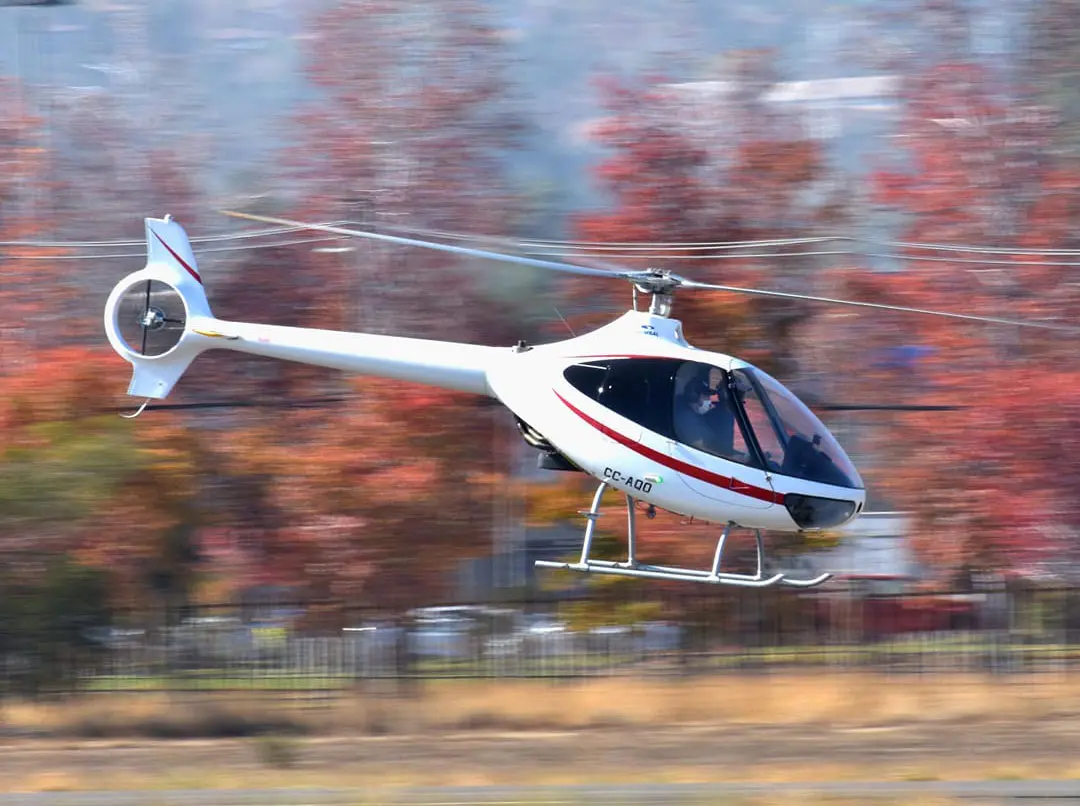
Our flight school trains in what is currently the best helicopter for instruction, the Cabri G2.
We are conveniently located at Eagle Copters (Aeródromo de Chicureo), with excellent facilities and just minutes from Aeródromo de Peldehue, which is the ideal airfield for flight practice in Santiago.
Training
We offer courses from first-time students to already qualified pilots.
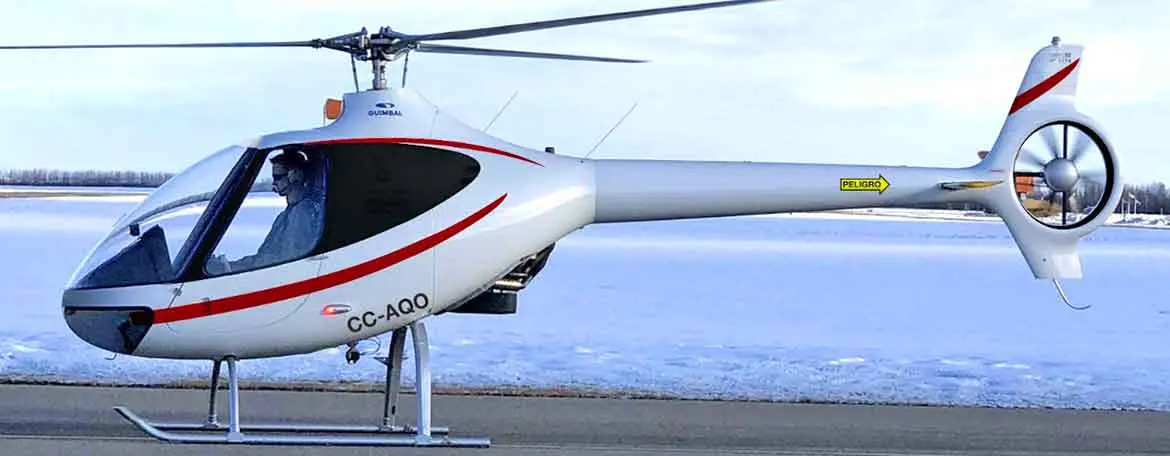
The course begins with obtaining the Private Pilot licence, with a theoretical phase and flight training, in a personalised and flexible programme. It meets the requirements of Chile’s DGAC. It lasts approximately 3 months, depending on the student’s availability, and is flown in a 2018 Guimbal Cabri G2, including 40 flight hours.
Fees and payment options: please enquire.
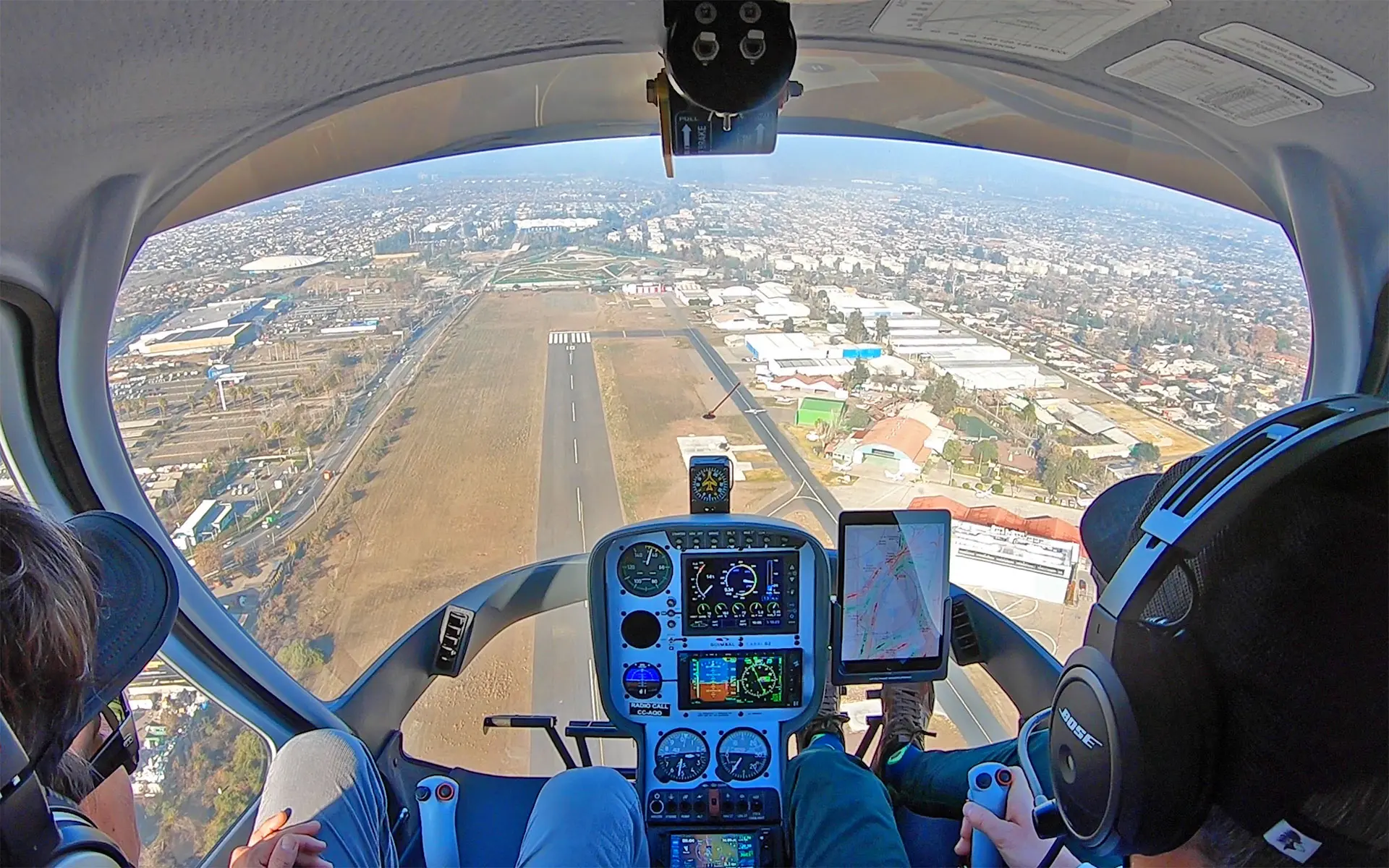
Intended for those who want to work as helicopter pilots. It is an extension of the Private Pilot course, covering the same subjects in greater depth and more advanced flying, including an introduction to instrument flight (IFR). Regulations require a minimum of 150 flight hours; the course lasts approximately 3 to 4 months.
Fees and payment options: please enquire.
Autorotation is the most difficult and demanding manoeuvre for a helicopter pilot. This training is for pilots of all levels: a theory class and approximately 5 hours of flight practice, depending on the pilot’s experience.
Fees and payment options: please enquire.
Coming soon.
Aircraft
The Cabri G2 is currently the most modern and safest helicopter for basic instruction. It was developed specifically to make flight training easier, both for the student and for the instructor.
What convinced us to buy a Cabri is safety. Among its strongest points:
More information at guimbal.com (opens in a new tab).
Our instructor
Our flight instructor is Yuri Cordeiro. He is Brazilian, has lived in Chile since 2016 and has two children born here.
With more than 30 years of experience as a helicopter pilot, he has more than 8,000 flight hours in 11 different helicopter types. He also holds Commercial Helicopter Pilot licences in the United States and Chile, and an Airline Transport Helicopter Pilot licence in Brazil.
He built most of his career in Brazil, flying workers and cargo to oil platforms off the Brazilian coast, with recurrent training at FlightSafety International and CAE Simuflite.
In recent years in Chile he has added other important flying experience, including forest-fire fighting and mountain flying, which he continues to do alongside flight instruction.
The school
In our gallery you can take a look at some of the best moments in the life of our flight school, including photos of our students, graduates and instructors.
Questions
A few factors matter a great deal in that decision. Here they are.
A helicopter certified for COMMERCIAL use, like ours, is subject to a different level of regulatory requirements. The most important are:
This is fundamental to learning well. Nothing matters more than starting impeccably — in other words, building a solid foundation.
Both flight hours and years in aviation matter. In our case, the instructor has 30 years of experience and more than 8,000 flight hours, something that is hard to find because the most experienced pilots usually fly larger helicopters.
A helicopter designed for instruction is ideal. It was designed for that purpose and has more margin for error, so the instructor can give the student more freedom without having to interfere with the flight.
It is also important that it be a modern helicopter. The more modern it is (not only the year of manufacture, but also the year of the design), the safer it is. Helicopters are a bit like cars in that sense: the minimum safety standards for certification keep rising over the years.
Facilities matter a great deal for learning. A proper office with a whiteboard and a monitor for theory classes and the pre-flight operational briefing is essential.
So is the hangar where the helicopter is kept, with facilities for the pre-flight inspection and fuel stored safely and ready to use.
We are conveniently located at Eagle Copters (Aeródromo de Chicureo), with excellent facilities and just minutes from Aeródromo de Peldehue, which is the ideal airfield for flight practice in Santiago.
Flying helicopters is not difficult, but you need to understand how the machine works, how it reacts, what it can and cannot do, and you have to build the reflexes to move the controls without thinking. That is the most important part, and we get there by starting with very basic, small tasks and then adding more difficulty.
In general, everyone who sets out to learn does so. What may happen is that some people need a few more hours to get there.
Despite a number of incidents each year, flying in a helicopter is generally very safe, provided safety procedures are followed.
According to the IHST (International Helicopter Safety Team), a group of industry and government leaders, helicopter incidents are in decline. That is due to an improving safety culture worldwide.
Contact
Tell us which course you are interested in, or write with your questions. You can also call us or message us on WhatsApp.
We are conveniently located at Eagle Copters (Aeródromo de Chicureo), with excellent facilities and just minutes from Aeródromo de Peldehue, which is the ideal airfield for flight practice in Santiago.
Eagle Copters (Aeródromo de Chicureo)
Camino Guay Guay 8881, Chicureo, Colina, Región Metropolitana, Chile
contacto@visionairhelicopteros.com
Get directions (opens in a new tab)Message us on WhatsApp (opens in a new tab)